Understanding Local Waste Regulations in Wake County Before Your Cleanout
Understanding local waste regulations in Wake County is essential before starting any cleanout project, whether it involves a residential property, rental turnover, estate clearance, or commercial space. Waste management rules are not just administrative guidelines; they directly impact how efficiently a cleanout can be completed, what materials can be disposed of, and what penalties may apply for improper handling. Without proper awareness, cleanout projects can face delays, unexpected costs, and compliance issues that disrupt the entire process Proper planning around these regulations also helps streamline workflow and ensures smoother coordination with disposal facilities and transport scheduling.
Wake County enforces structured waste disposal standards designed to protect public health, promote recycling, and reduce environmental impact. These regulations influence how debris, furniture, construction waste, hazardous materials, and electronics are sorted and transported. For anyone planning a large-scale cleanout, understanding these rules is not optional; it is a critical step in ensuring a smooth and lawful process. Proper preparation also improves operational efficiency and reduces unnecessary trips to disposal facilities.
When waste is managed correctly from the start, cleanouts become faster, safer, and more cost-effective. Ignoring local requirements, however, can result in rejected loads or fines. This makes regulatory awareness a key part of planning any cleanout in Wake County. It also helps reduce environmental impact by ensuring proper recycling and responsible disposal practices are followed throughout the entire process. Consistent compliance ultimately supports smoother project execution and long-term sustainability goals.
Understanding Wake County Waste Classification Rules
Residential and Commercial Waste Categories
Wake County organizes waste into distinct categories to ensure safe handling and efficient processing across all cleanout operations. Common categories include household waste, yard debris, construction materials, recyclables, and hazardous waste, each requiring specific handling methods. Each category follows a different disposal pathway, and mixing materials can result in rejection at disposal facilities or processing delays.
Residential waste typically includes everyday items such as furniture, clothing, and non-hazardous debris commonly found in homes. Commercial cleanouts often generate mixed waste streams, requiring more structured sorting before transportation and disposal scheduling. Understanding these differences allows us to plan cleanouts with precision and avoid unnecessary complications during removal and hauling operations.
Restricted and Prohibited Items
Certain materials are strictly regulated under Wake County disposal rules and environmental safety guidelines. These include chemicals, paints, batteries, medical waste, and electronic waste, all requiring specialized handling procedures. Disposal of such items requires designated facilities or special handling procedures that comply with local environmental standards and county enforcement policies. Attempting to dispose of restricted materials in general waste streams can lead to compliance violations and operational delays.
Awareness of prohibited items ensures that each cleanout is executed within legal boundaries and regulatory expectations consistently. Proper identification at the source reduces delays and prevents rejected loads at transfer stations, helping maintain smooth workflow efficiency throughout the entire cleanout process.
Sorting and Segregation Best Practices
Efficient On-Site Separation Methods
Effective cleanouts begin with sorting materials at the property itself before loading or transportation begins. Segregating recyclables, reusable items, and waste reduces processing time and improves disposal efficiency across all stages. Clear labeling systems and designated collection zones help streamline operations during large cleanouts and multi-phase removal projects.
We focus on separating materials such as wood, metal, plastics, and textiles during the initial phase of every project. This structured approach minimizes contamination and ensures that recyclable materials are processed correctly at approved facilities without unnecessary re-sorting delays.
Handling Hazardous and Sensitive Materials
Hazardous waste requires special attention due to environmental and safety risks associated with improper handling and exposure. Items such as cleaning chemicals, oil-based products, and batteries must be isolated from general debris immediately during sorting. Wake County guidelines require these materials to be transported to approved facilities that are certified for safe processing and disposal.
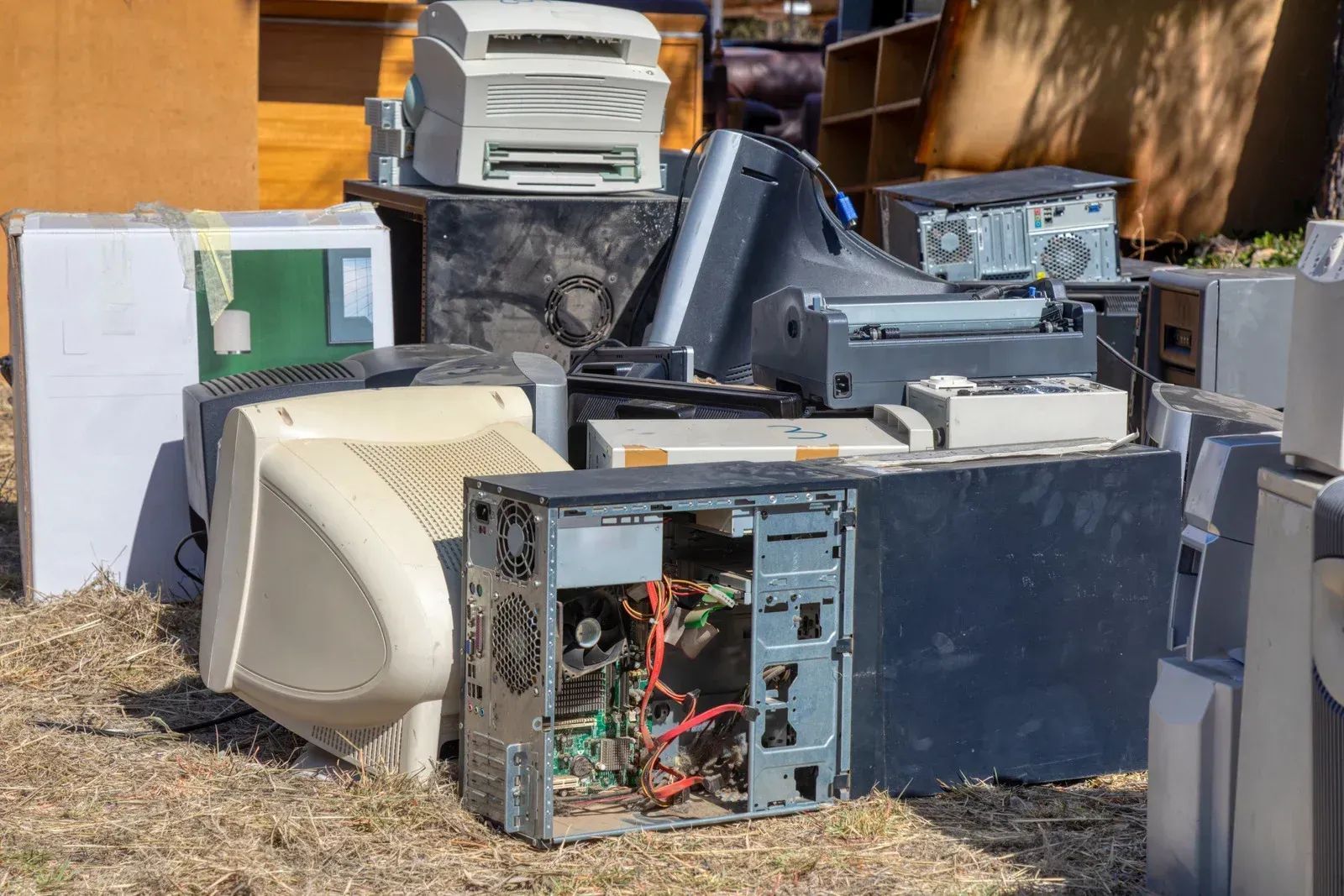
Electronic waste, including televisions, computers, and appliances, must also be separated due to internal hazardous components and recyclable materials. These items contain components that require specialized recycling processes to ensure environmental safety and resource recovery. Proper handling reduces environmental harm and ensures compliance with county standards at every stage.
Reuse and Donation Opportunities
Not all materials from a cleanout need to be discarded, especially items in usable or repairable condition. Usable furniture, fixtures, and appliances can often be redirected toward donation centers or reuse programs instead of disposal sites. Identifying reusable items early in the process helps reduce landfill volume and supports sustainable waste management practices across communities.
This approach also improves cost efficiency by reducing disposal volume and supporting environmentally responsible cleanout practices. Prioritizing reuse and donation strengthens sustainability outcomes while maintaining operational efficiency throughout the entire removal process.
Transfer Stations, Disposal Sites, and Local Procedures
Approved Disposal Facilities
Wake County operates designated transfer stations and recycling centers where waste must be delivered for proper processing. These facilities enforce strict acceptance criteria to ensure proper processing and environmental compliance at all times. Materials must be sorted according to guidelines before arrival to avoid rejection or additional handling requirements at entry points.
Scheduling drop-offs in advance can help avoid long wait times and operational delays during peak service hours. Each facility may have specific operating hours and load requirements that must be considered during planning to ensure smooth and efficient disposal operations.
Load Requirements and Transportation Rules
Vehicles transporting waste must comply with safety regulations, including load securing, containment standards, and weight limits established by local authorities. Improperly secured loads may result in penalties, safety hazards, or refusal at the disposal site upon arrival. Cleanout planning includes ensuring that transportation methods align with county expectations and regulatory requirements.
We prioritize efficient loading techniques to maximize space while maintaining compliance with transportation rules and safety standards. This approach reduces the number of trips required and improves overall project efficiency, saving both time and operational costs during cleanout execution.
Coordination for Large Cleanouts
Large-scale cleanouts often require multiple disposal runs or coordination with several facilities depending on waste volume and classification. Planning ahead ensures that materials are directed to the correct locations without unnecessary delays or logistical confusion. Proper scheduling and route planning are essential for maintaining workflow efficiency and minimizing downtime during operations.
Effective coordination also helps avoid bottlenecks at disposal sites and ensures that all waste streams are handled in compliance with Wake County regulations throughout the entire process.
Compliance Risks and Common Mistakes
Fines, Penalties, and Rejected Loads
Failure to comply with Wake County waste regulations can lead to significant operational and financial setbacks during cleanout projects. Loads containing mixed or prohibited materials may be rejected at disposal sites, requiring additional sorting, reloading, and transport efforts. In some cases, fines may be issued for improper disposal practices that violate county environmental guidelines.
These penalties can increase project costs and extend timelines beyond initial estimates, creating unnecessary disruptions. Ensuring compliance from the beginning is the most effective way to avoid unnecessary complications and maintain smooth operational flow throughout the cleanout process.
Misclassification of Waste Materials
One of the most common mistakes during cleanouts is misidentifying or incorrectly sorting waste types during early stages of removal. For example, mixing recyclable materials with general waste can render the entire load unsuitable for processing at designated facilities. Proper classification is essential for maintaining compliance and operational efficiency across all disposal activities.
We implement structured sorting systems to prevent classification errors during every phase of cleanout operations. This reduces the risk of rejected loads and improves disposal accuracy while ensuring compliance with all Wake County waste management standards.
Overlooking Hazardous Waste Regulations
Another frequent issue involves improper handling or accidental mixing of hazardous materials with general waste streams. Items such as paints, solvents, batteries, and chemicals must be disposed of through approved channels only. Ignoring these requirements can lead to environmental risks, safety hazards, and regulatory violations that may impact project approval.
Careful inspection and separation of hazardous materials ensure safe and compliant disposal practices throughout the cleanout process. This proactive approach minimizes risks while supporting environmentally responsible waste management in accordance with local regulations.
Dedicated Cleanout Waste Management Guidance Experts Team
We at 1-888-PIK-IT-UP provide structured cleanout solutions designed to align with Wake County waste regulations and disposal requirements. With 8 years of operational experience in Raleigh, NC, our approach focuses on efficient sorting, responsible disposal, and compliance-driven execution for residential and commercial cleanouts. Each project is managed with attention to local guidelines, ensuring that waste streams are properly categorized before transport to approved facilities with consistent regulatory accuracy.
Our process emphasizes accuracy in material handling, reducing the risk of rejected loads and unnecessary delays during transportation and facility drop-offs. We coordinate disposal logistics in a way that supports smooth workflow from initial assessment to final haul-off with organized operational sequencing. Hazardous materials, recyclables, and general debris are managed through clearly defined procedures that align with county standards consistently.
By maintaining strict adherence to regional waste policies, we help ensure that cleanouts are completed safely and efficiently across all project types. Our commitment to regulatory compliance and operational discipline supports reliable outcomes for property owners and managers across Raleigh and surrounding areas with dependable service execution.