What to Do With Unwanted Office Furniture After a Business Move
Quick Answer: After a business move, unwanted office furniture is best handled by sorting it into four groups: pieces worth offering for resale, pieces in good shape that a local nonprofit can use, items that can be broken down for recycling, and everything else that needs to be hauled. Do the sorting while the furniture is still in the old space, set a clear date well before the keys go back, and plan for access details like elevators and loading areas. For desks, cubicle panels, conference tables, and filing cabinets, a commercial cleanout crew can lift, load, and clear the whole lot in one visit, so the old space is empty when the landlord walks through. Businesses in Raleigh, Cary, Durham, and across Wake County use this approach to close out a move without weeks of leftover furniture.
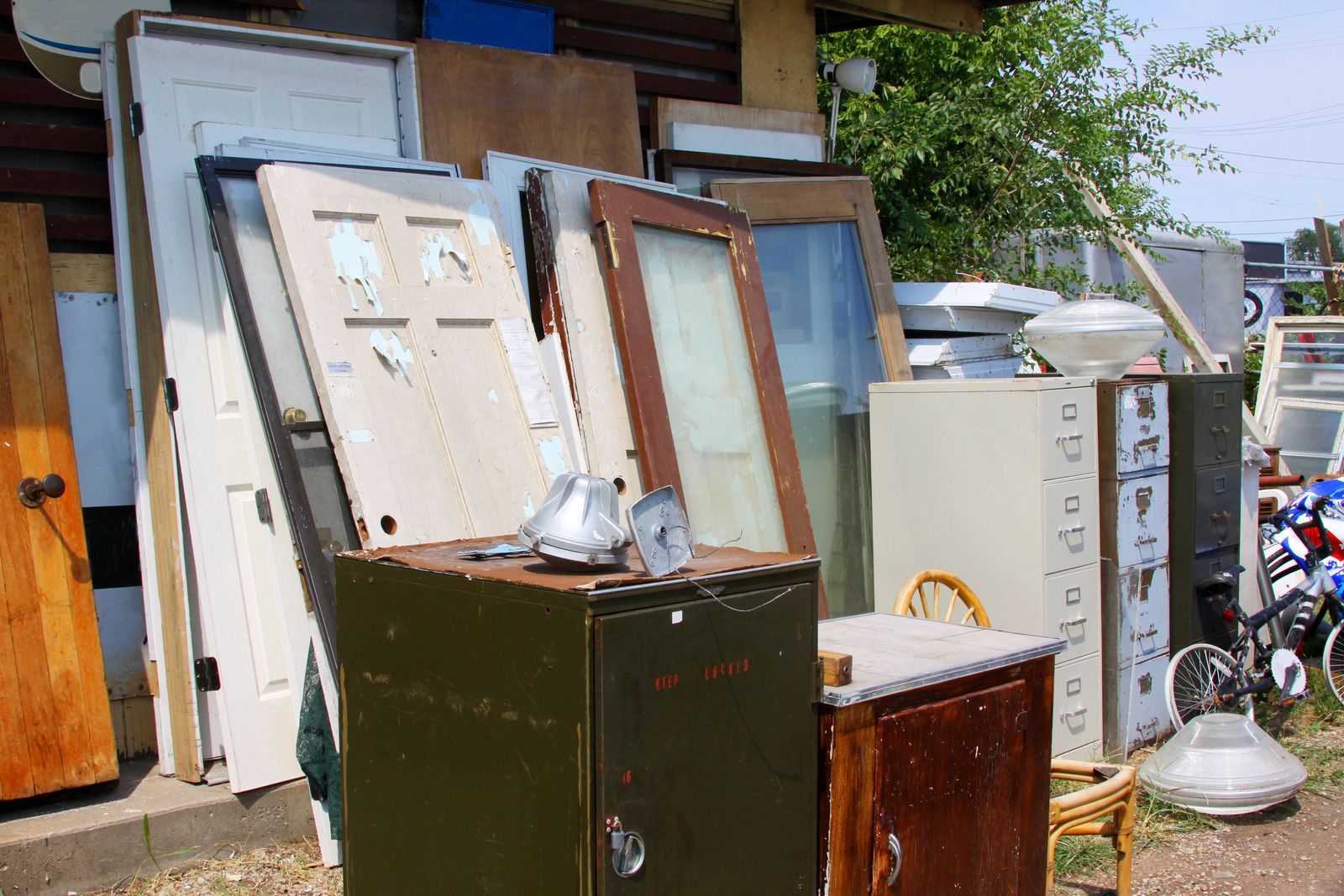
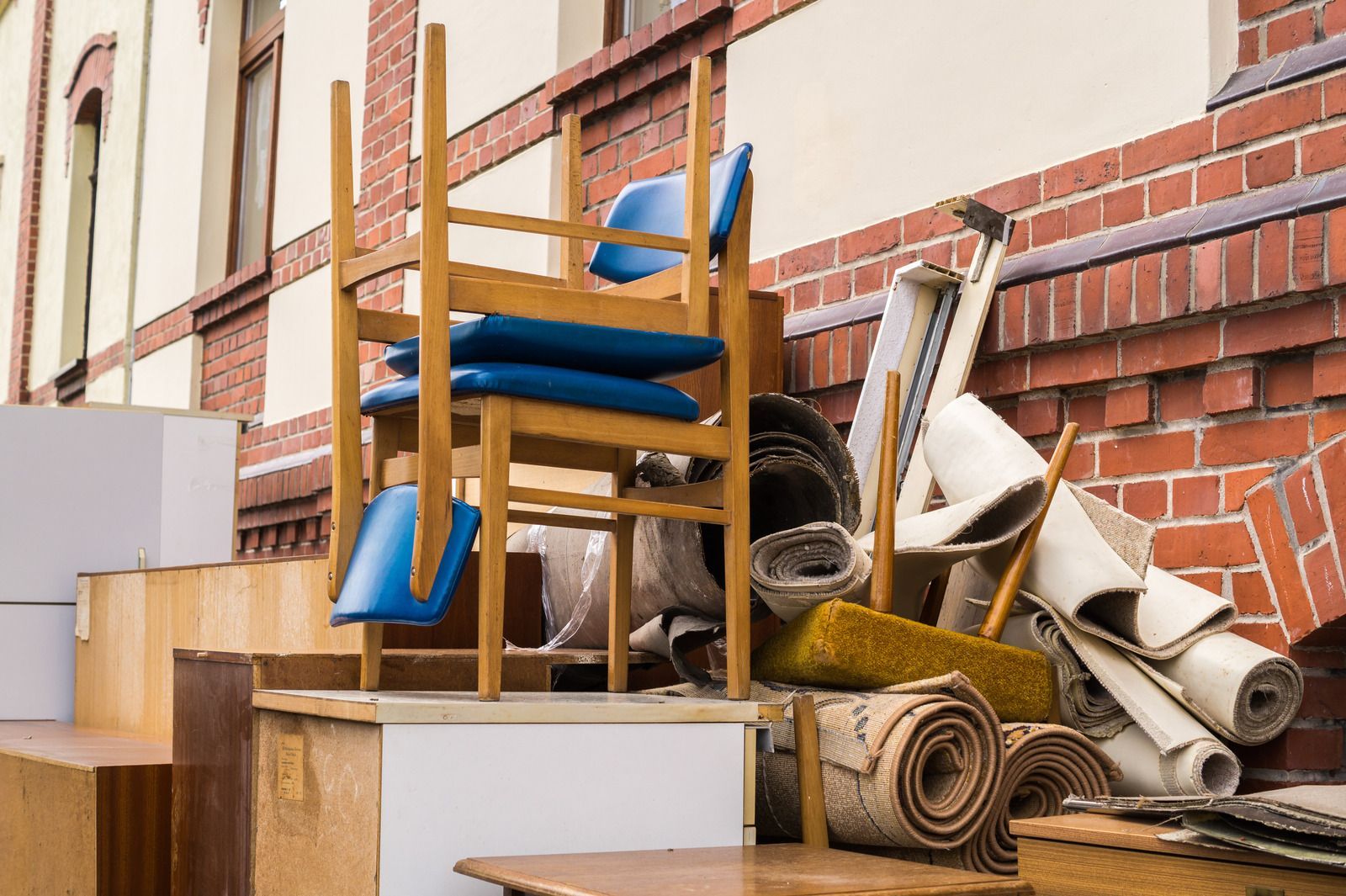
The moving truck pulled out two days ago. The new office has its desks, its monitors, and its first coffee order. Meanwhile, the old suite still holds eleven desks nobody wanted to carry across town, a row of cubicle panels, four mismatched filing cabinets, a conference table that came with the building, and a break room refrigerator that nobody remembers buying. The lease ends in nine days. Moving day was supposed to be the finish line, and instead it left a second project sitting in the old space.
This is more common than most business owners expect. A move plan usually covers what is going to the new location, and the furniture that is not going gets labeled "deal with later." Later arrives fast. Here is a practical way to sort that furniture, decide where each piece should go, and get the space empty on time.
Why Leftover Furniture Becomes a Problem So Quickly
Furniture that was easy to ignore while the office was running becomes the only thing in the room once everyone leaves. Landlords generally expect a space returned empty and broom clean, and a handful of desks in the corner can hold up that final walkthrough. The longer the furniture sits, the more pressure it adds to a calendar that is already full of address changes, utility transfers, and new office setup.
Office furniture is also harder to move than household furniture. A commercial desk is heavier and wider than a bedroom dresser, and many are bolted to cubicle panels or built from several connected sections. Ergonomic chairs have gas lifts and metal bases that make them awkward to stack. Lateral file cabinets can weigh far more than they look, especially if a drawer still holds paper. These are not pieces a few employees can carry down a stairwell on a Friday afternoon.
The real deadline is the lease end, not the move date. Many owners count the move as finished when the new office opens. The old space is not finished until it has been cleared and handed back, so the calendar for the old suite should be set the same day the move date is chosen.
Start With a Walkthrough and a Four Group Sort
Before anyone calls a hauler or posts a listing, walk the old space once with a notepad or a phone. Go room by room and put every leftover piece into one of four groups. This single pass makes every decision after it easier, because each group has a different best destination.
Group One Is Resale Grade Furniture
These are pieces that are current, matching, and in clean condition. Think of a set of six identical task chairs, a solid wood executive desk, or a conference table with no deep scratches. Used office furniture dealers, local business listings, and neighboring tenants are the usual buyers. Photos taken in good light, a simple count, and a pickup window make a listing far easier to say yes to.
Group Two Is Good Condition Pieces That Can Be Donated
Not every desk is worth selling, but plenty are still useful. Schools, small nonprofits, church offices, and community groups often need basic desks, bookshelves, and chairs. Usable furniture that does not sell quickly is better placed here than left to sit.
Group Three Is Anything That Can Be Broken Down For Recycling
Metal file cabinets, steel shelving, and wood desks with no value left can be sorted by material. Metals and wood are the most common recyclable materials in an office clearout.
Group Four Is Everything Else
Stained chairs, cubicle panels with torn fabric, laminate desks with swollen edges, and broken pieces belong here. This group is the one that needs a hauling plan, and it is usually larger than owners expect.
What Usually Gets Missed in the Walkthrough
The big desks get noticed first. The smaller items tend to be forgotten until the final week, so check the places people rarely look.
Storage Rooms And Supply Closets
These often hold old monitors, boxes of cables, broken printers, and spare chairs. Electronics need their own handling and should not be mixed into a general trash pile.
Break Room Items
A refrigerator, a microwave, a coffee station, and a few stacked chairs often get left behind because no one considers them part of the office. A commercial clearout crew can include kitchen appliances in the same visit.
Reception And Lobby Pieces
Waiting room seating, display shelving, and a large reception desk are heavy and sometimes built into the room. Measure the doorway and check how the piece was assembled before deciding it can simply be carried out.
Filing Cabinets That Still Hold Paper
Before anything leaves the building, empty the drawers. Papers with client or employee information should be shredded or moved to the new office by your own team first. A haul crew moves furniture, so the contents of a drawer need to be settled before the crew arrives.
Tip: Put a colored sticker on every piece during your walkthrough. Green for resale, blue for donation, yellow for recycling, and red for haul away. Anyone helping with the cleanup, including the crew, can see the plan at a glance without asking you about each item.
Selling and Donating Without Letting It Drag On
Resale and donation are worth a try, but they come with one risk: both depend on someone else's schedule. A buyer who says they will pick up the chairs next week can easily become a buyer who does not show. A nonprofit may need to confirm space in its own storage before it can accept a desk set.
The way to keep this from eating your lease timeline is to give each option a short window. Offer the resale pieces for a week at most. If nobody has committed by then, move those items to the donation or haul group. Donation pickups should be confirmed with a date, not a vague promise to come by. Anything without a confirmed pickup as the deadline approaches should be added to the haul list.
Take photos and a count, not a long description. Buyers and nonprofits respond best to a clear picture, the number of pieces, and the pickup address. A short message with those three details gets more replies than a paragraph about the history of the furniture.
Group items into lots. Eight matching chairs are easier to place than eight single chairs listed one by one. Lots also make pickup easier, because one visit clears the whole group.
When a Commercial Cleanout Crew Makes Sense
Plenty of businesses end up here after trying the first two options. Some pieces will sell, some will be donated, and the rest still has to leave the building. That remaining pile is where a commercial cleanout crew earns its place.
A crew that handles office cleanouts typically lifts, carries, loads, and hauls desks, ergonomic chairs, modular cubicles, conference tables, filing cabinets, and shelving. Retail fixtures and break room appliances are part of the same kind of job. The advantage is not just muscle. It is the ability to clear a whole floor in one scheduled visit instead of coordinating five different pickups from five different people.
Usable furniture can be donated to local nonprofits and charities along the way, and recyclable materials like metal, plastic, and wood can be sorted and sent to recycling facilities. That means the haul group does not have to equal a landfill pile. Items that can be reused are given a chance to be reused.
Scheduling is the part that matters most after a move. Appointments for commercial work can often be booked within 24 to 48 hours, depending on availability. That is useful when the move itself ran long and the old space needs to be cleared quickly. Business hours matter too, since crews work on weekdays, so plan for a weekday clearing rather than counting on a weekend.
Access Details That Slow Down Furniture Removal
The furniture itself is only half of the job. The route out of the building decides how long the clearing takes.
Lifts And Loading Docks
Multi tenant buildings in Raleigh, Durham, and Cary often have rules about when the freight lift can be used and how long a crew can occupy the loading area. Ask the property manager early, and book any reserved time before the clearing date is set.
Parking And Truck Access
A crew needs a spot close to the entrance. In downtown Raleigh and in busy business parks along Capital Boulevard or near Research Triangle Park, nearby parking can be limited. Reserve a space or confirm a loading zone ahead of time.
Clear Pathways
Remove anything that blocks the hall, such as boxes left from the move or a stack of folded packing blankets. Customers typically only need to identify what is leaving and make it reachable, so a clear path saves the crew time.
Warning: Do not leave furniture in a stairwell or a shared hallway while you wait for a pickup. Shared areas belong to the building, and a pile in a common space can create a safety problem for other tenants and a headache with property management.
A Simple Timeline for the Last Two Weeks
A short schedule keeps the old space from becoming a last minute emergency. Adjust the days to your own lease end.
Fourteen days out: Finish the walkthrough and the four group sort. Send resale and donation inquiries right away so those windows can start running.
Ten days out: Confirm which resale buyers and donation pickups are real. Decide what moves to the haul group.
Seven days out: Book the commercial cleanout crew for the remaining items. Confirm freight lift time, parking, and building access with the property manager.
Three days out: Empty file cabinets, unplug appliances, and clear pathways. Have a final list of what is leaving ready for the crew.
Day of clearing: Be available for a short walkthrough so the crew knows what is going and what is staying. Check the space again once it is empty.
Day before the final walkthrough: Sweep and take photos of the empty space. Photos give you a record of the condition you returned it in.
Things to Keep Out of the Furniture Pile
Some items look like office clutter but need separate handling. Hazardous materials are generally excluded from standard cleanouts, so set aside cleaning chemicals, batteries, paint left over from a refresh, and anything flammable. Wake County operates household hazardous waste facilities, and business owners can check what each site accepts before bringing anything in. Printer toner and ink cartridges, fluorescent bulbs, and old computer equipment also deserve a separate plan.
Computers, hard drives, and phones need an extra step. Wipe or remove stored data on any device before it leaves your control. Old monitors and keyboards can go with an electronics pickup, but a drive that held client files should be dealt with by your own IT contact first.
Closing the Old Space Without Carrying the Stress
A business move is already a full project. The furniture left behind should not become a second one. Sort it once, give resale and donation a short window, and book the haul for the rest well before the lease ends. When the old suite is empty, photographed, and handed back on time, the move is actually finished.
Frequently Asked Questions
How soon after a business move should I clear the old furniture?
Start planning the day the move date is set. The walkthrough and sort can happen before the move, and the clearing itself should land at least a few days before the lease ends so there is room for surprises.
Can old office furniture be donated, or does it have to be thrown away?
Furniture in good condition can often be donated to local nonprofits, schools, and community groups. Pieces that are damaged or worn out are sorted for recycling when possible, and what remains is hauled away.
What kinds of office items can a commercial cleanout crew remove?
Typically desks, ergonomic chairs, modular cubicles, conference tables, filing cabinets, shelving, retail fixtures, break room appliances like refrigerators, computers, printers, and other electronics. Hazardous materials are handled separately.
Do I need to take apart cubicles and desks before the crew arrives?
Usually not. You only need to identify what is leaving and make it accessible. If a piece is built into the room, mention it when you schedule so the crew can plan for it.
What should I do with files and computers before furniture is removed?
Empty file cabinet drawers and move or shred papers with client or employee information yourself. Wipe or remove data from computers and drives before they leave your control.
How quickly can a cleanout be scheduled in Raleigh?
Commercial appointments can often be booked within 24 to 48 hours, depending on availability, and crews work on weekdays. Booking about a week ahead gives you time to arrange building access.
Handing Back an Empty Space With Confidence
A business move is only finished when the old suite is empty and returned on time. Sorting furniture into resale, donation, recycling, and haul groups keeps every piece moving toward a destination, and short windows for buyers prevent the lease timeline from slipping. Clear pathways, confirmed lift times, and a firm clearing date turn a messy leftover pile into a single scheduled task. Once the space is swept and photographed, the move can finally be called done.
For the heavy lifting, 1-888-PIK-IT-UP
has served Raleigh, NC for 8
years, clearing desks, cubicle panels, filing cabinets, and break room appliances in one visit. Usable pieces are routed to local donation, and recyclable materials are sorted along the way, so the haul group does not have to mean a landfill pile. With the old suite cleared, owners can focus their attention on the new office and the work that comes next.